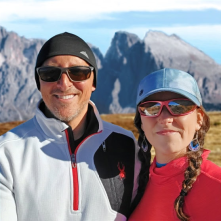
First time visiting the Dolomites? Before you hit the trail, take a moment to understand the land beneath your boots. Smart preparation transforms a good trip into an unforgettable one. Let’s make sure you’re ready.
No doubt the Dolomites deliver some of the most dramatic mountain scenery in all of the world — but they’re far from your typical tourist destination. These jagged giants don’t just impress; they’ve shredded boots, rewritten itineraries, and left plenty of unprepared souls staring at a trail sign like it’s written in Elvish.
This isn’t your plug-and-play mountain getaway. It’s a region where weather turns on a dime, altitude hits like schnapps, and culture runs deeper than the valleys you’ll hike. The views will humble you, the history will move you, and the Marende might just ruin every other charcuterie board forever.
That’s where this checklist comes in. Whether you’ve already mapped out your itinerary or you’re just getting started, these 25 tips cover the practical details most first-timers overlook: the stuff that can make or break your experience once you’re on the ground. To make sure your trip is more awe and less oops, read through, take notes (or just bookmark it), and get ready to fall head over hiking boots for this wildly fascinating corner of the Alps.
⇒ Looking for the full picture? See our Ultimate Dolomites Travel Guide. It covers when to visit, where to stay, and how to build an itinerary from scratch.
Part 1: Understanding the Dolomites

1. The Dolomites Are a UNESCO World Heritage Site
The Dolomites were declared a UNESCO World Heritage Site in 2009, and for fascinating reason: these peaks are actually fossilized coral reefs that sat beneath a tropical sea 250 million years ago. All visitors have a responsibility to protect and preserve these natural wonders.
Essential: Follow “Leave No Trace” principles, stick to marked trails, respect private property, and dispose of waste properly.
2. Overtourism Is Real… But You Can travel differently
Mass tourism has brought crowded trails, overflowing parking lots, rush hours at the lifts, and Instagram-only itineraries that chip away at the very character travelers come to enjoy. That doesn’t have to be your experience. With thoughtful planning and strategic timing, you can still find the serenity and authenticity that make the Dolomites special.
Tip: ⇒ See our: Dolomites Slow Travel Guide
3. Be Prepared to Encounter Multiple Languages

In the Dolomites, you’ll see signs and menus in Italian and German, and in some regions a third language called Ladin. Some restaurants offer English menus upon request, but learning a few German phrases or Italian phrases opens doors and hearts.
Essential: Know how to read trail signs and handle emergencies before your trip. Our
Travel Guide covers this in detail.
4. Plan a Minimum of 2-3 Days
Many travelers hope to see the Dolomites on a quick day trip from Venice or Verona. While tours make this possible, we strongly recommend spending at least 2–3 nights in the region. That said, from our experience, a truly meaningful visit to the Dolomites requires at least 3–5 days to explore one area without rushing.
With a single day trip, you risk arriving to total cloud cover or rain and missing the views entirely like we did. We learned this the hard and expensive way on our first trip years ago when hiking Seceda. A few days gives you flexibility to adjust your plans and experience the Dolomites as intended.
5. Acclimate Yourself to the Altitude Change
If you don’t live in a mountainous region, the altitude change can be challenging, especially when combatting jet lag. Before embarking on a long hike, take at least a day to acclimate with an easy excursion.
Warning signs: Headaches, nausea, dizziness, or unusual fatigue can indicate altitude sickness. Start your trip with valley walks or outings on the region’s plateaus like Alpe di Siusi (Europe’s largest plateau), Prato Piazza, Val di Funes, or Val Fiscalina.
Keep in mind: You’re a guest in a living landscape — wild, sacred, and humbling, where the mountains still make the rules.
Be prepared. Walk lightly. And let the silence, the peaks, and the whispers of nature do the talking. That’s when the magic happens.
Part 2: Safety & Preparation

6. Dress in Layers (Your Life May Depend on It)
Mountain weather changes rapidly. Even in summer, you can feel chilled at any time. Dress in layers you can easily remove and stuff in your backpack. Pack a compact rain poncho.
Good to Know: Don’t rely on weather forecasts a week out. Accurate forecasts are typically only possible one day in advance.
7. Wear Sun Protection
The sun is more intense at higher altitudes, even on cold or cloudy days. At minimum, wear sunscreen and sunglasses to protect your skin and eyes from harmful UV rays.
8. Know Your Limits & Get Travel Insurance
The Dolomites don’t suffer fools. Last year, there were 140 hiking-related deaths, mostly from falls in steep terrain, but altitude, fatigue, and weather changes also claim lives. Obey trail closure signs and purchase travel insurance with medical coverage and helicopter evacuation.
⇒ YOU MIGHT ALSO LIKE: Dolomites Winter Guide: 12 Experiences You’ll Never Forget
Part 3: Logistics & Transportation

9. Be Aware of When Lifts Open & Close
Before booking your trip, check if lifts and cable cars will be operating. They shut down for maintenance at different times each year. For a full breakdown of what’s open when, see our guide on when to visit the Dolomites.
Good to Know: Rifugios (mountain huts) and many hotels and restaurants also close during these periods.
10. Transportation Options Are Abundant
Excellent public transportation (buses and trains) is available throughout much of the Dolomites — great for reducing congestion and environmental impact. However, if you want to explore extensively or have the freedom to go wherever on a whim, consider renting a car.
Tip: Check out How Driving in Italy Made Easy… Guaranteed
11. Save on Lift Tickets with Special Cards
If you plan to use multiple lifts in a holiday region, consider purchasing special access cards offering discounts or unlimited use. These are especially valuable if you’re mountain biking and using the same lift multiple times.
Good to Know: Our Travel Guide provides a list of available cards and how to purchase them.
12. Have Cash on Hand

Not all rifugios and huts accept credit cards. If you plan to dine at a mountain hut during a hiking excursion, bring sufficient euros to pay the bill. The last thing you want is to go hungry while hiking Tre Cime di Lavaredo. By the way, cash is also helpful for buying local specialties at trailside stands. You will find such stands throughout South Tyrol.
Tip: Bring small bills (€5 and under) for farm stands, which often operate on honor systems.
13. Some Destinations Require Parking Reservations
As tourism booms, popular destinations like Lago di Braies are implementing online parking reservation systems to control crowds. Book ahead or risk being turned away.
Good to Know: Not sure if the place you want to visit needs a reservation? No worries. We’ll help you sort it out through our Dolomites Travel Planning Services.
⇒ YOU MIGHT ALSO LIKE: 12 Must-See Lakes in the Dolomites and South Tyrol
Part 4: Accommodation Considerations

14. Book Rifugio Accommodations Far in Advance
Rifugios offering overnight accommodations book up fast. If you wish to stay at one, reserve as far in advance as possible. During hiking season, don’t expect to show up and secure a room on the spot — it’s highly unlikely.
15. Support the Local Mountain Farms
Farmsteads throughout the Dolomites offer accommodations that provide authentic Alpine experiences while supporting local families. Benefits include significantly lower costs than hotels, farm-fresh meals, children can interact with animals, and you directly support traditional mountain agriculture. You can book farm stays through Booking.com or by contacting farms directly.
👉 Want the full list of 25 things to know before visiting the Dolomites? Enter your name and email in the below form. In addition to our free 14-page PDF guide, you’ll also receive travel tips, itinerary ideas, and access to local secrets for making the most of your Dolomites adventure.
🌄 NEXT STEPS: TURN YOUR TRIP INTO REALITY

Planning a trip to the Dolomites doesn’t have to be overwhelming. Whether you’re starting from scratch or already have a few pins on the map, we’re here to help you craft a seamless, unforgettable experience — step by step.
🧭 Access Our Complete Travel Guide
Everything you need for trip-planning success — detailed hiking guides, transportation tips, accommodation recommendations, insider cultural insights, money-saving advice, and more.
👉 Get the Complete Travel Guide
🤝 Need One-on-One Help?
If you’d rather skip the stress and guesswork, we offer affordable, personalized trip planning services to make your Dolomites experience seamless and unforgettable.
👉 Custom Itinerary
We’ll design a personalized travel plan with handpicked trails, lodging, and dining — all tailored to your fitness level, interests, and budget. You relax. We handle the details.
👉 Itinerary Review
Already mapped out your route? We’ll review your plan and refine it with expert insights to help you avoid pitfalls, maximize your time, and uncover hidden gems.
👉 Consultation Call
Chat with us one-on-one via video. We’ll answer your questions, recommend hikes, review maps, and offer advice based on your goals and travel style.
⇒ You Might Also Like: Discover Bolzano: The Gateway to the Dolomites